Certified Locksmith: Knowing When to Contact the Professionals for Your Security Requirements
A qualified lock technician is critically important in ensuring security. Numerous homeowners tend to ignore the warning signals that signal a need for specialist support. Concerns like a broken lock or the impact of a forced entry can jeopardize security. Understanding when to call for assistance is essential. As safety risks develop, so do the solutions. What should one consider before contacting a professional?
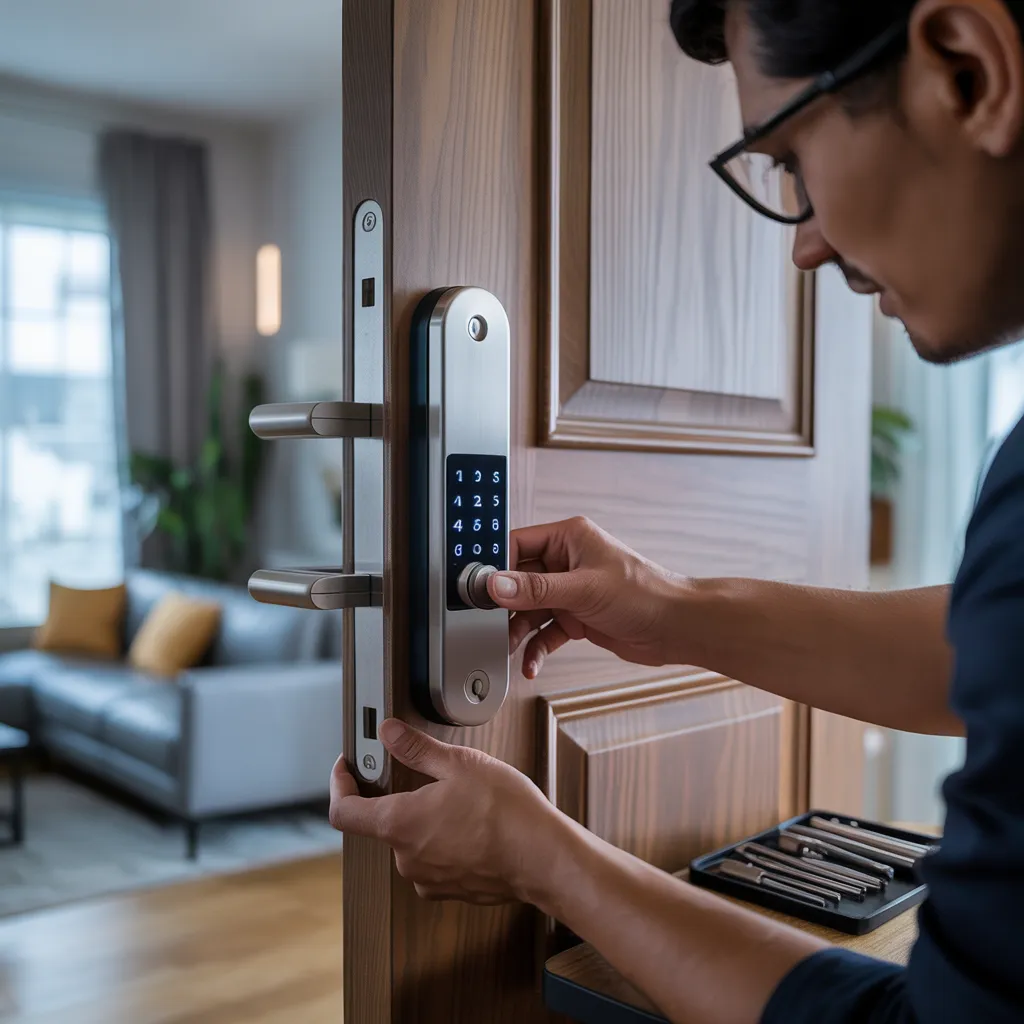
Understanding the Warning Signs: When You Require a Locksmith
When is it appropriate to reach out to a locksmith? A person may find it necessary to contact a locksmith when they encounter issues with their locks or security systems. Situations like a key snapping off inside the lock or a lock that grows hard to operate are obvious signs of underlying issues. Moreover, when a person is repeatedly faced with lockout situations, it may be time to seek the services of a professional locksmith.
Moreover, after moving into a new home, it is advisable to contact a professional locksmith to swap out the locks for protection. Protective upgrades, such as installing high-tech locks or alarm systems, also call for specialist assistance. Lastly, if a homeowner identifies signs of forced entry or security breaches, immediate action should be taken by enlisting a locksmith to evaluate and strengthen security protocols. Being aware of these signs ensures that people can safeguard their well-being and peace of mind.
Why Contacting a Locksmith When Locked Out Matters?
Finding yourself locked out can be an incredibly frustrating and stressful experience. During these difficult moments, the value of contacting a professional locksmith cannot be emphasized enough. An experienced locksmith has the specialized tools and skills necessary to handle lockouts effectively and safely, reducing the likelihood of damage being caused to your property. Making an attempt to enter without professional assistance can cause broken locks or doors, ultimately leading to costly repair bills.
In addition, locksmiths are qualified to handle diverse types of locks and security systems, delivering a swift resolution suited to the specific situation. Their knowledge of security protocols also enhances the safety of the property after re-entry. Furthermore, professional locksmiths can provide valuable advice on upgrading security measures, avoiding future lockouts. Ultimately, relying on a locksmith is not just about regaining entry; it is an important step in maintaining both the integrity of the property and the reassurance of the individual facing a lockout.
What Can You Do When You're Locked Out?
Being locked out is often a distressing ordeal that calls for quick thinking. The first step is to remain calm and assess the situation. Inspecting for any accessible windows or alternative entry points can occasionally offer a quick resolution. When no viable solutions can be found, it is recommended that you contact a trusted friend or family member who may have a spare key.
Should these measures prove unsuccessful, turning to a professional is crucial. Reaching out to a locksmith is typically the most reliable method for restoring access swiftly and securely. People should refrain from trying to force their way in, as this can cause damage and lead to costly repairs.
Prior to the locksmith's arrival, collecting the required details, like a valid ID and proof of residency, can expedite the process. At the end of the day, getting locked out acts as a reminder of the value of establishing a backup strategy for getting into secured locations.
Why You Should Consider Upgrading Your Locks
After resolving a lockout situation, most homeowners acknowledge the importance of keeping their homes secure. Investing in lock upgrades acts as a forward-thinking approach to strengthen home protection. Aging lock systems often fail to offer sufficient defense against today's advanced intrusion tactics, highlighting the need to choose stronger security solutions.
Premium security locks, as an example, offer advanced features that deter unauthorized access. These locks often include pick-resistant mechanisms and durable materials, ensuring a more robust defense. Moreover, smart locks provide convenience and remote access, allowing homeowners to monitor their security from anywhere.
Additionally, insurers may provide lower rates for homes equipped with upgraded security systems, providing financial incentives for homeowners to improve their lock systems. At the end of the day, upgrading locks not only strengthens physical security but also encourages peace of mind, ensuring that residents stay safe in their own environment. This well-considered investment is a fundamental step toward robust home security.
What to Expect From a Comprehensive Security Assessment
When property owners request a comprehensive security evaluation, they can expect a complete assessment of their residence's security gaps and advantages. Professional locksmiths begin by evaluating entry locations such as garages, doors, and windows to pinpoint possible vulnerabilities. They assess the quality and condition of installed lock systems, flagging any deteriorated or aging components that may weaken the property's defenses.
In addition, the assessment involves analyzing the surrounding area, taking into account factors such as local crime rates and sight lines. Security professionals frequently suggest additions such as advanced security locks or alert systems customized for the property's specific needs. They frequently provide insights into access management systems, CCTV systems, and outdoor lighting solutions.
The goal of the inspection is to develop a comprehensive report check now summarizing observations and offering practical enhancements, effectively enabling homeowners reach well-considered judgments about their security measures. This forward-thinking method delivers a complete framework for defending the property against the risk of emerging risks.

Typical DIY Errors to Avoid When Handling Locks
When handling lock issues, many people make frequent errors that can worsen the situation. Disregarding certain lock types, overusing lubricants, and misusing tools can lead to additional problems. Identifying these mistakes is essential for effective lock maintenance and security.
Ignoring Lock Types
Even though many homeowners choose to address lock concerns independently, failing to identify the particular types of locks can result in expensive errors. Various locks, including deadbolts, smart locks, and mortise locks, all feature distinct mechanisms and installation specifications. Insufficient knowledge can lead to incorrect repairs or replacements, which may put security at risk. To illustrate, forcing a key into a misaligned lock risks damaging both the lock and the key, making expensive replacements necessary. Furthermore, confusing lock types can result in ineffective remedies and additional problems. To prevent these issues, homeowners should thoroughly evaluate their locks and seek the advice of a professional locksmith when unsure about their particular requirements.
The Problem of Overusing Lubricants
Homeowners often make the mistake of overusing lubricants on their locks, thinking that more is better for smooth operation. This common misconception can lead to a buildup of excess lubricant, which draws in dust and debris, leading to locks that become difficult to operate or completely jammed. Each type of lock demands a specific kind of lubricant; for instance, graphite is often preferred for pin tumbler locks, while other locks are better served by silicone sprays. Overapplication can also create a slippery surface that may hinder the lock's mechanism, making it harder to engage. Rather than enhancing performance, too much lubrication can result in expensive repairs or require the assistance of a professional locksmith. Grasping the appropriate amount and type of lubricant is critical to ensuring optimal lock performance.
Misusing Tools the Right Way
Improper tool usage during lock repairs can cause frustrating complications and unnecessary damage. Many DIY enthusiasts underestimate the importance of using the right tool for the job. For instance, employing a screwdriver instead of a dedicated lock pick can strip screws or break internal mechanisms. Moreover, exerting excessive force can lead to locks jamming or becoming permanently damaged. Frequent errors involve using pliers to rotate a key or trying to force open a stuck lock without the right technique. Such actions frequently lead to additional problems that require expert assistance. To prevent these errors, people should educate themselves about lock mechanisms and the proper tools required for lock repairs. Should any uncertainty arise, reaching out to a professional locksmith can conserve time and eliminate costly blunders.
Top Questions Asked
How Do I Choose a Reputable Locksmith Service?
To choose a reputable locksmith service, it is important to look up online reviews, confirm credentials, ensure proper insurance, and seek recommendations. Evaluating several options enables knowledgeable decisions, culminating in dependable and trustworthy service.
What Qualifications Should a Certified Locksmith Hold?
A trustworthy locksmith needs to carry qualifications like Certified Locksmith (CL), Registered Locksmith (RL), and Master Locksmith (ML) from accredited institutions. These designations signify skill, dedication, and commitment to professional standards, guaranteeing dependable service to customers.
Is Locksmith Service Available Around the Clock?
Locksmith services are often available 24/7, providing essential assistance during emergencies including lockouts and security vulnerabilities. Numerous skilled locksmiths emphasize availability, ensuring clients can receive help whenever needed, irrespective of what time it is.
How Much Do Locksmith Services Typically Cost?
Locksmith pricing generally falls from between $50 and $150 for common services, such as lock rekeying and lockout assistance. Nevertheless, emergency services and specialized work may come with additional costs, often going beyond $200 subject to the nature of the work required.
Is a Locksmith Able to Assist With Electronic Security Systems?
Certainly, a locksmith can help with electronic security systems. They have the skills to install, fix, and maintain a wide range of electronic security mechanisms, ensuring top-level protection and functionality for residential as well as commercial properties.